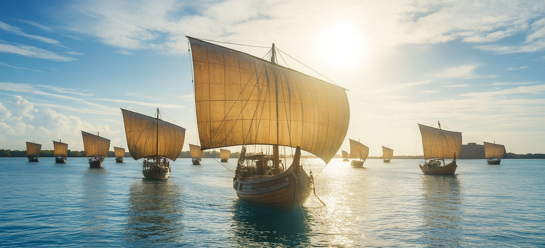
Thoppukkadu (Thoppukadu), a small village on the northern coast of Sri Lanka in Karainagar, is more than just a place. It holds the memories of Tamil strength, seafaring traditions, and deep spiritual roots. Long ago, it was full of life with trade, schools, and calm daily living. Today, it reminds us of what was lost and what still lives on in the hearts of its people.
Today, Thoppukkadu carries both the peace of the past and the pain of war. Because of the civil war, many families moved to countries like France, London, Germany, Norway, Switzerland, Australia, Dubai, Abu Dhabi, and the USA.
Now, their children and grandchildren are returning to visit their homeland, searching for their roots in Thoppukkadu. They walk through the beaches, temples, schools, wells, and old houses, remembering their parents and reconnecting with the village’s spirit.
Even though people are now spread across the world, the name Thoppukkadu still lives on in its traditions, spiritual heritage, and shared memories that remain alive in the hearts of its people.
Where Is Thoppukkadu?
Thoppukkadu is located in the Karainagar South (J/44) Grama Niladhari Division, under the Karainagar Divisional Secretariat, in the Jaffna District of Northern Province, Sri Lanka. Geographically, it lies near Kayts, Ponnalai, and Araly, forming part of the historic island chain that once connected Eelam to Tamil Nadu through sea trade and pilgrimage.
Grama Niladhari Division: Karainagar South (J/44)
Divisional Secretariat: Karainagar DS Division
District: Jaffna
Province: Northern Province

CENSUS OF POPULATION AND HOUSING : POPULATION ATLAS OF JAFFNA DISTRICT 2012

Schools
Thoppukkadu Maraignanasampanthar Vidiyasalai
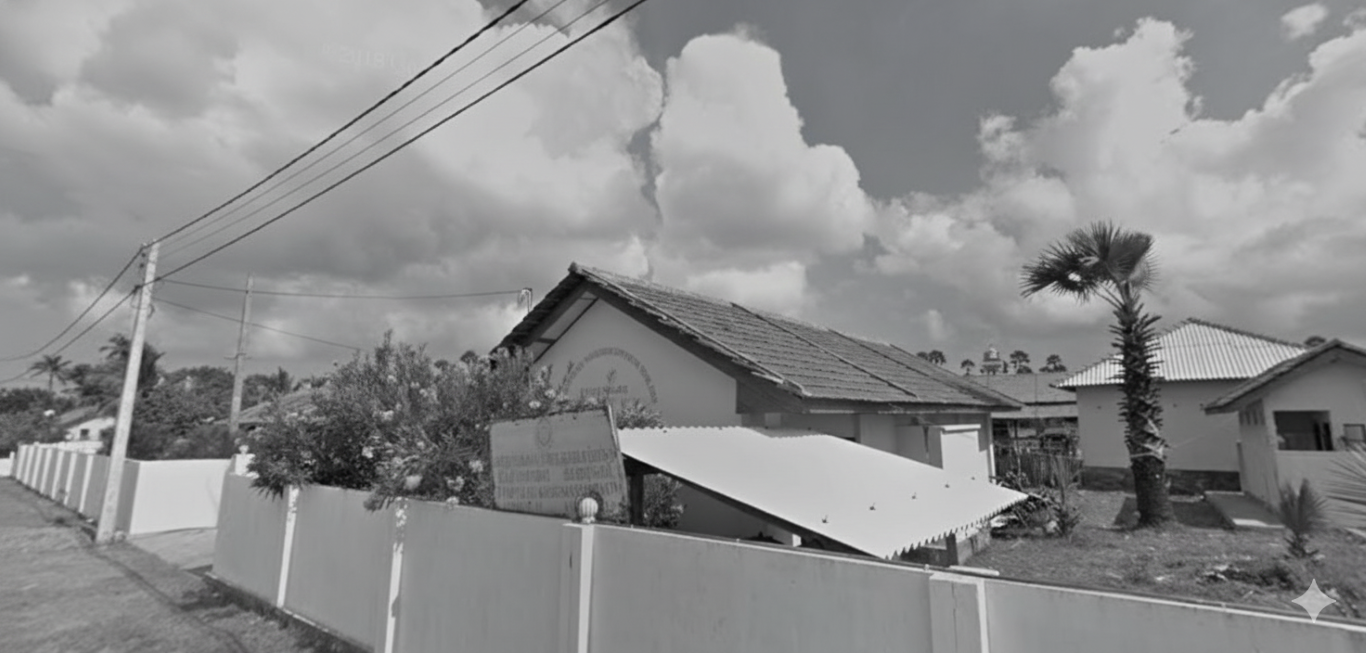
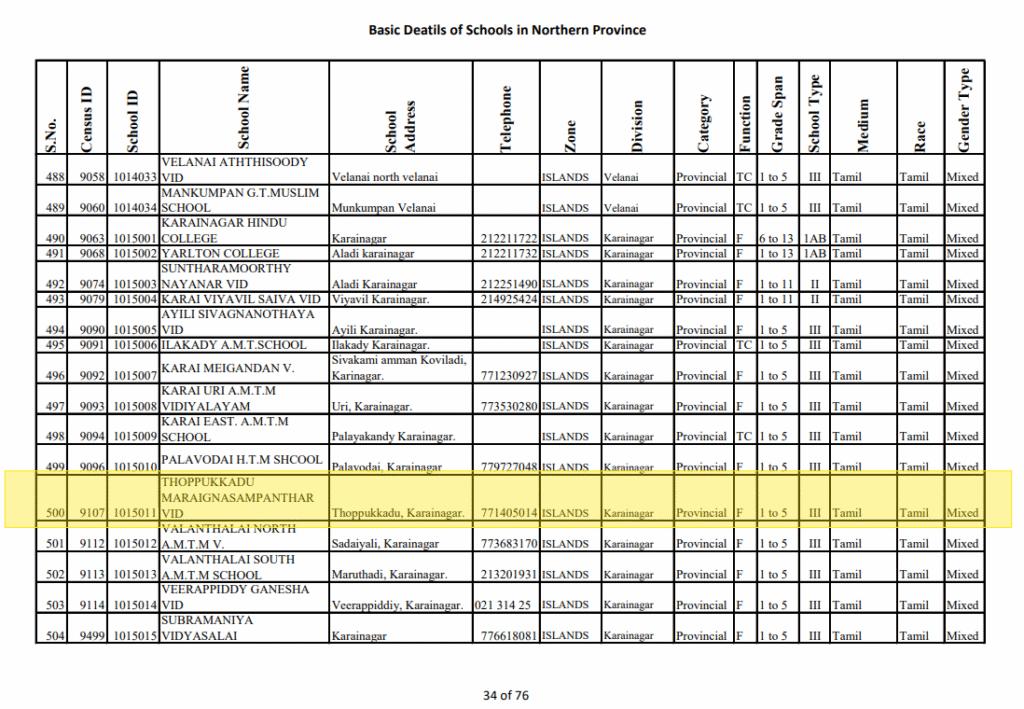
Thoppukkadu Maraignanasampanthar Vidiyasalai is a vibrant village school that continues to serve children from Grade 1 to 5, with Tamil as the medium of instruction. As a mixed school, it welcomes boys and girls from all backgrounds, fostering early education in a warm, community-centered environment. Generations of students have begun their learning journey here, and many still carry fond memories of their time, the friendships, the morning prayers, the Friday Sivapuranam recitations, and the poosai rituals that remain part of the school’s living tradition.
Thoppukkadu’s Educational and Professional Legacy
Thoppukkadu is home to a remarkable range of scholars and professionals whose contributions span far beyond its maritime roots. The community has produced deans, engineers, doctors, professors, research scholars, computer specialists, statisticians and experts in poetry, drama, visual arts, astrology, music, and traditional Siddha medicine.
Their achievements are not limited to sea trade. Many have excelled in diverse fields such as:
Academic: Dean, Medical Doctors (MD), Doctors in Research (Phd), Data Scientists, Professors, Principals, Asst. Principal, Statisticians, teachers in Physics, Mathematics, Music and other disciplines
Public Service: Justice of Peace (JP), Railway station masters, clerical, nurses and healthcare workers.
Technology & Engineering: Professionals in Data Science, AI, software, programming, hardware, civil engineering, construction, Electrical and Electronics
Craftsmanship: Traditional Vathai vessel makers and restorers, Skilled artisans in fiberglass boat building, wall art, and banner design
Sports and Outreach: Athletes and community leaders who continue to inspire
This vibrant legacy reflects Thoppukkadu’s deep commitment to education, creativity, and service, with generations continuing to shape the world through knowledge and skill.
Thoppukkadu Sports Club – A Legacy Since 1979
Since its founding in 1979, the Thoppukkadu Sports Club has been a proud symbol of community spirit and athletic excellence. The club has won numerous trophies in football (soccer), volleyball, and cricket, competing in local and regional tournaments and even playing a memorable match against a Norwegian team during the operational years of CEY-NOR.
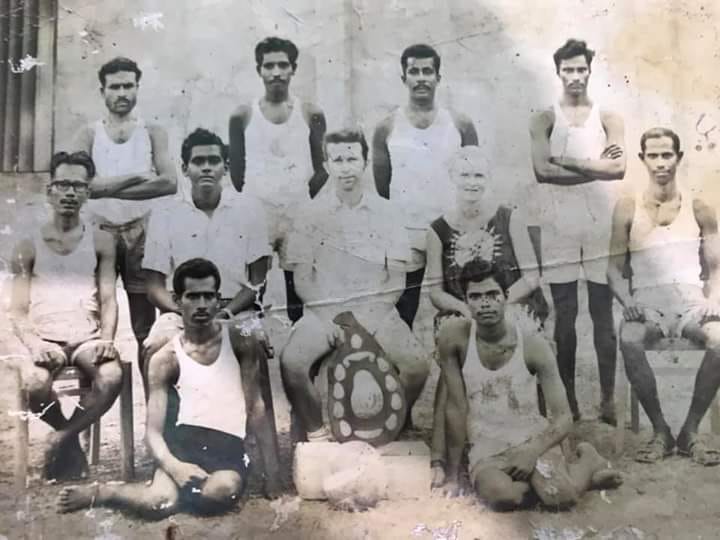
Many still fondly recall the football matches held on the sandy ground beside the Murugan Temple. As children, we sat on the short temple wall, cheering wildly and kicking the air with joy every time a goal was scored.
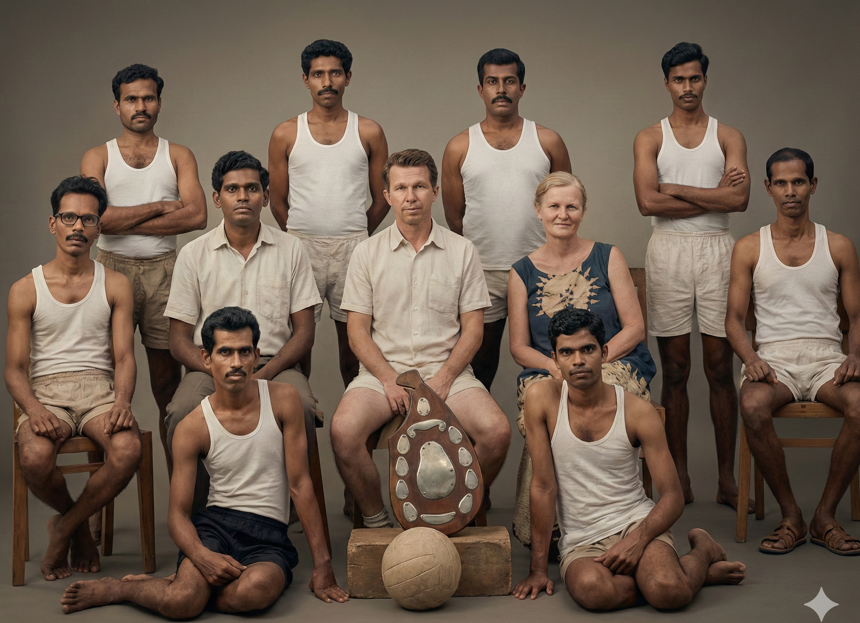
For volleyball, the spirit of the game extended into the fields with post-harvest rice paddies transformed into courts for inter-village matches, drawing crowds and camaraderie from across Karainagar.
This sporting tradition continues to inspire, reminding us that even in a small coastal village, teamwork, joy, and resilience have always found a field to play on.
Kovils (Temples) That Guarded the Shore
Thoppukkadu is filled with many Kovils (temples), each holding deep spiritual power.
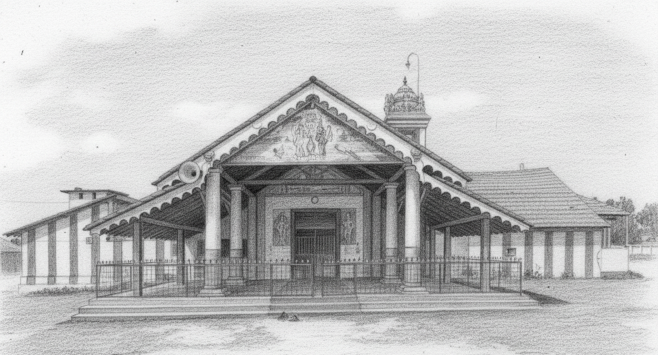
| Murugan Kovil | A holy site stood by the village, where travelers asked for blessings before their sea journey. |
| Vaalai Saraswathi Kovil | A humble temple of learning, it came alive with vibrant Navaratri celebrations and stayed active every Friday with Amuthu(அமுது)/ Prashatham offerings. |
| Hanuman Kovil | A guardian of travelers, invoked for strength and safe passage. |
| Muthumari Amman Kovil | Worshipped for rain, fertility, and healing especially during Aadi rituals. |
| Viravar Kovil | Protector of the village’s borders and spirit. |
| Pechchi Amman Kovil | A fierce maternal deity guarding childbirth and village boundaries. |
These temples formed a sacred corridor, anchoring Thoppukkadu’s spiritual and social life.
Lost Institutions That Once Defined the Village
Vathai Owners and Maritime Trade
What Is a Vathai?
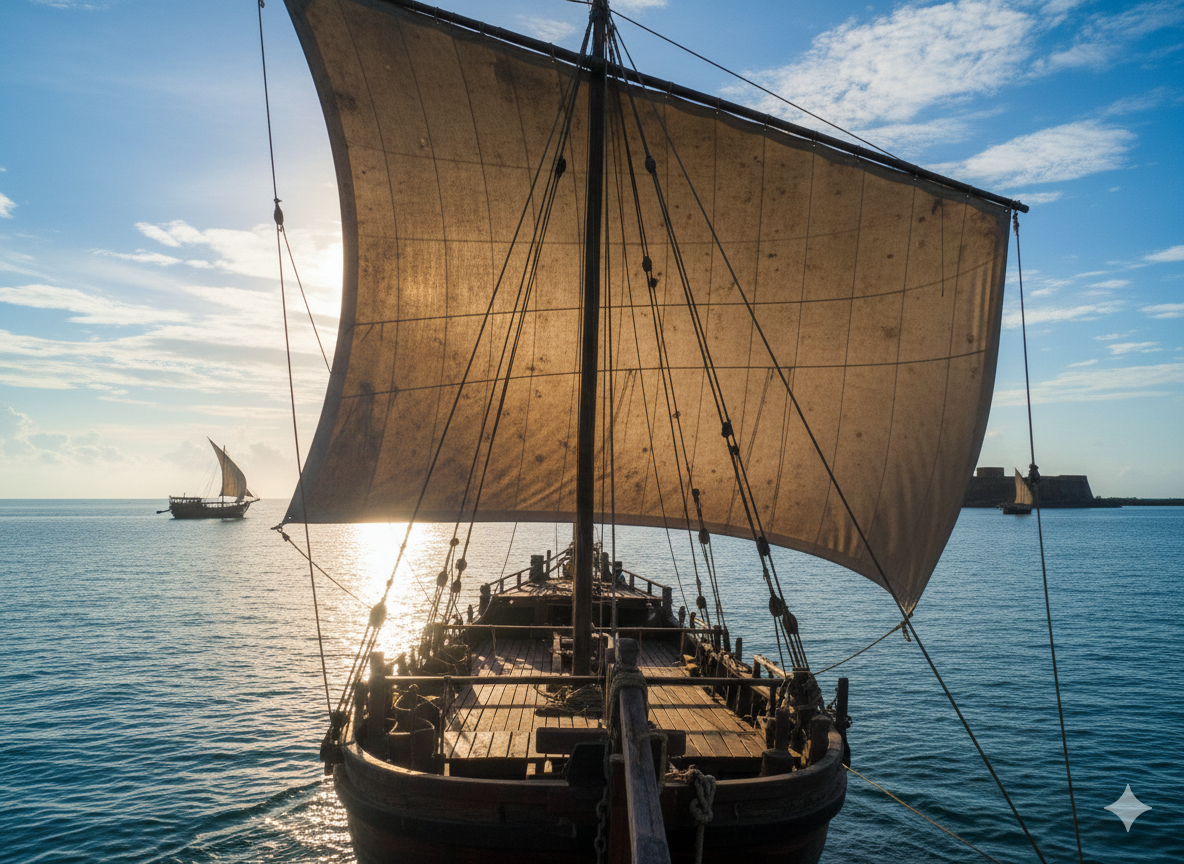
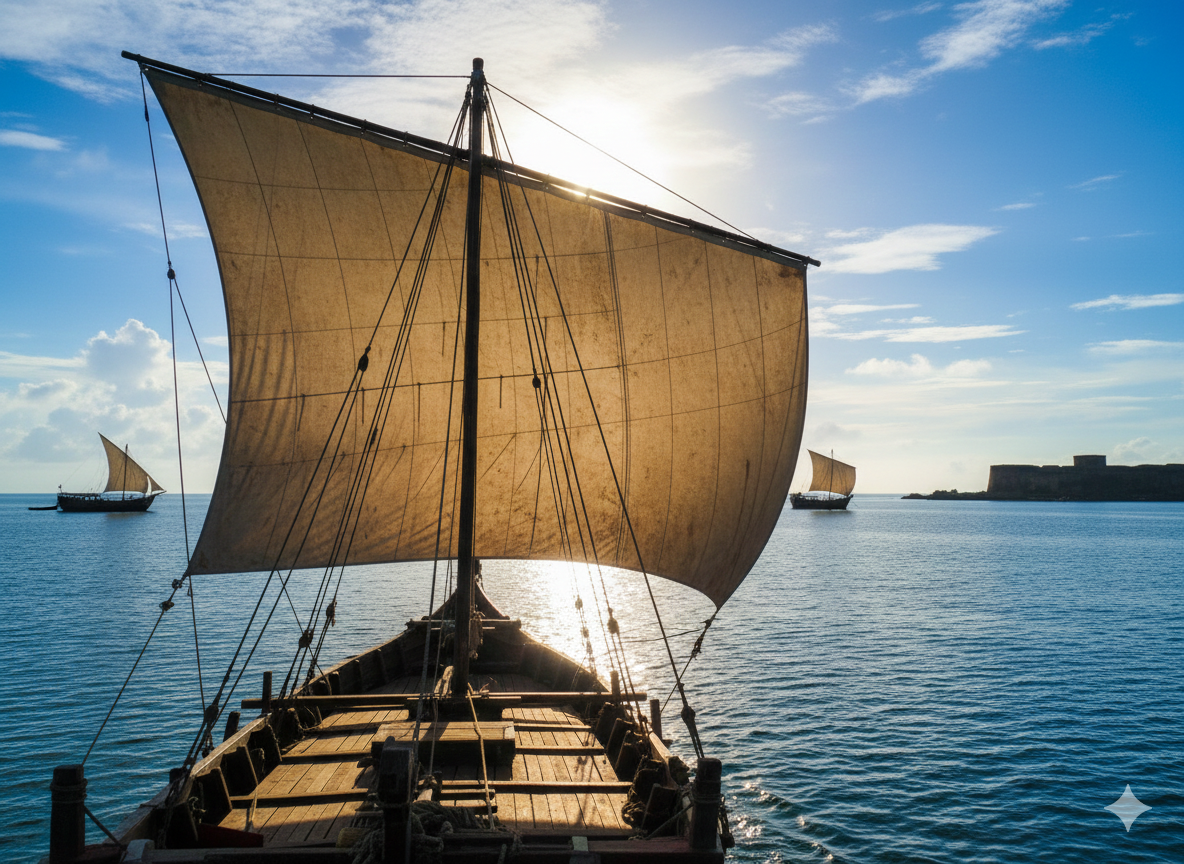
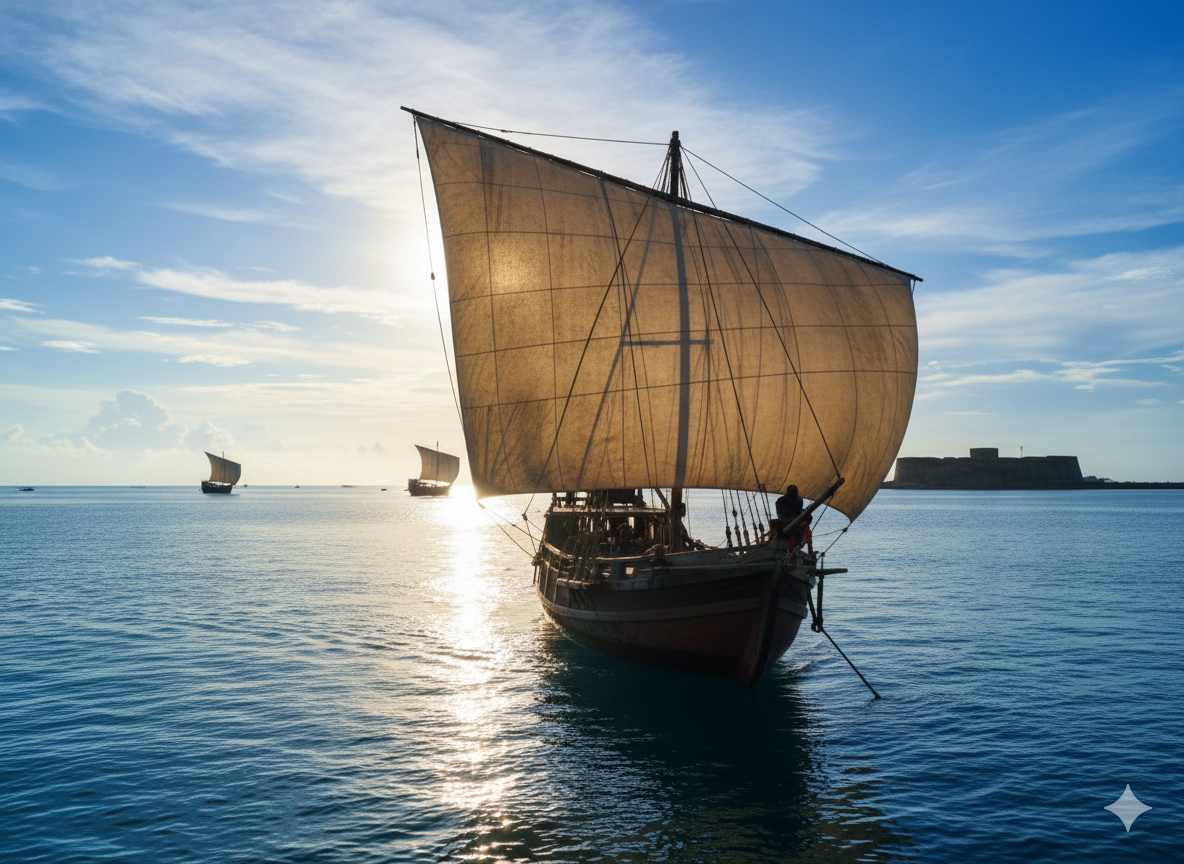
A Vathai is a traditional large wooden sailing vessel used by Tamil mariners for deep-sea trade across the Palk Strait, Bay of Bengal, and even to Burma and Malaysia.
These vessels were built with broad hulls, high decks, and sail rigs, capable of carrying textiles, dried fish, salt, and other goods.
Anchoring Near Thoppukkadu
Thoppukkadu, located near Raasaavin Thoaddam, had a natural harbor with calm coastal waters, ideal for anchoring.
Oral accounts suggest
Vathai vessels were anchored offshore, using Iron anchors tied with coir ropes.
Smaller boats or vallams ferried goods and passengers between the shore and the anchored Vathai.
During monsoon or festival seasons, temporary jetties or wooden platforms were built to assist docking.
Sailors from Karainagar and Kayts were known for
Star-based navigation and seasonal wind tracking.
Using landmarks like temple towers and coastal trees to align their approach.
Relying on local pilots (called Thuraimugaththar) to guide vessels into safe anchorage.
In coastal Tamil communities like Thoppukkadu, Vathai vessels were often owned by families or small merchant groups, not large corporations.
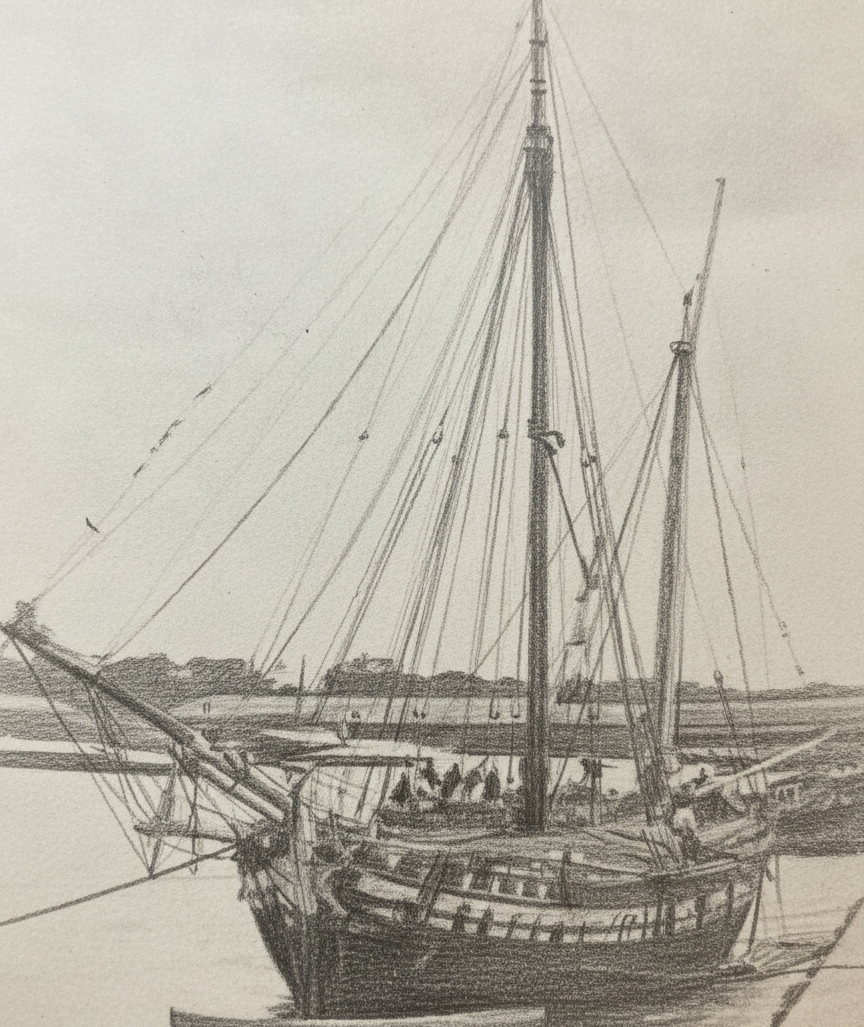
Thoppukkadu was once a hub of Vathai-based sea trade, with families like Vadivelmurugan, Thangamuttu, Rathinam (Jeyaraman) and Pakkiyam (Paruthi yadaippu) owning traditional vessels. These boats carried goods and pilgrims across the Palk Strait, linking Karainagar to Tamil Nadu.

Setu Coins found in Thoppukkadu – Symbols of Tamil Sovereignty
Origin: These coins were issued by the Aryacakravarti dynasty of the Jaffna Kingdom in northern Sri Lanka, dating from the 13th to 16th centuries.
Design
Obverse: A standing king figure, often flanked by lamps or symbols.
Reverse: A seated bull (Nanthi) with the Tamil word “Setu” inscribed, sometimes accompanied by a crescent moon.
Cultural Significance
The bull represents Saiva symbolism, linking the coins to Lord Shiva and Tamil religious identity.
The term “Setu” is believed to reference the Sethu Samudram or Adam’s Bridge, symbolizing a spiritual and political connection between Eelam (Sri Lanka) and Tamil Nadu.
Historical Role
These coins were not just currency they were emblems of Tamil kingship, used to assert sovereignty, language, and religious tradition.
Even during foreign rule (e.g., Sapumal Kumaraya’s reign), distinct coinage continued in Jaffna.
Finding Setu coins in Thoppukkadu is a powerful reminder of the region’s deep historical ties to Tamil maritime trade, Saiva tradition, and royal heritage. Let me know if you’d like this visualized as a timeline or paired with a sketch of the coin and its inscriptions.
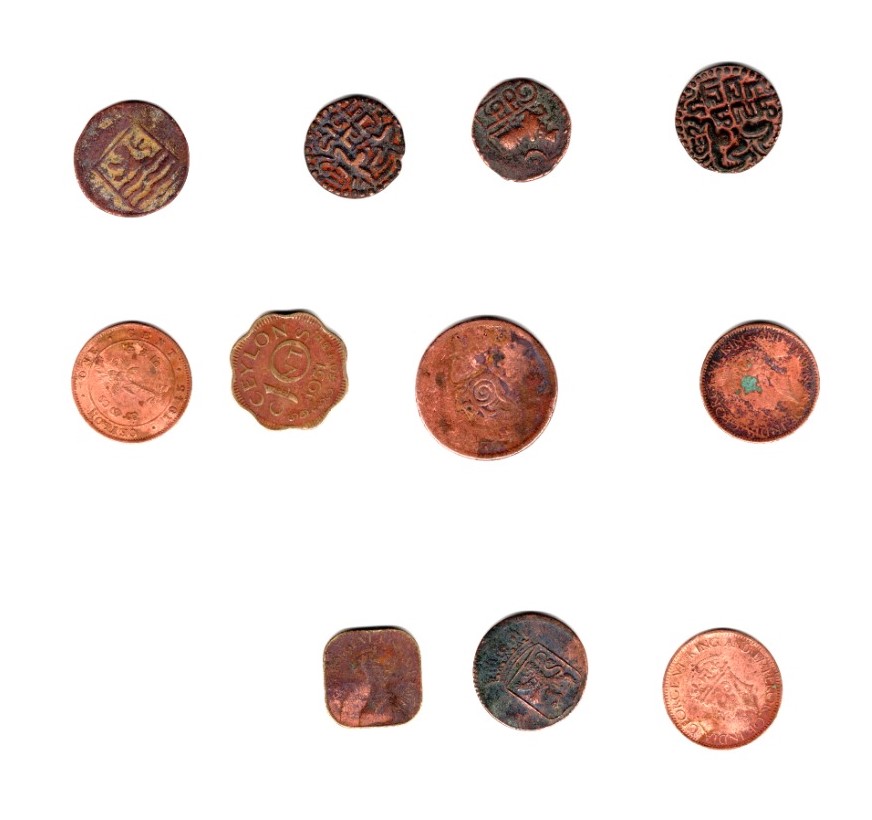
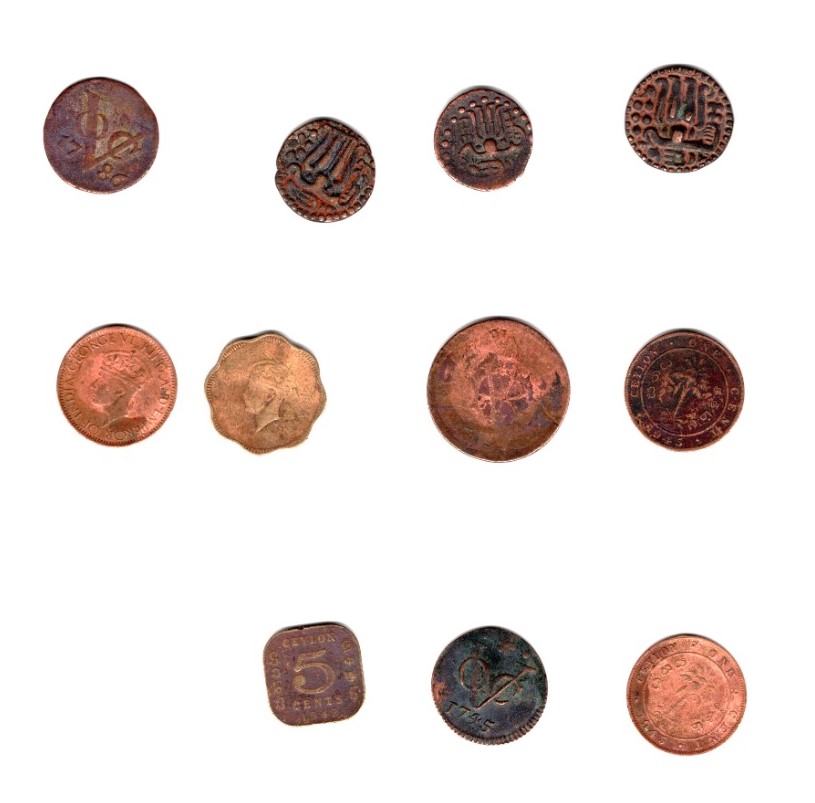
VOC Coins – Dutch Ceylon Legacy in Thoppukkadu
Issuer: The Dutch East India Company (Vereenigde Oostindische Compagnie, VOC), active from 1602 to 1799, minted coins for trade across Asia, including Ceylon (Sri Lanka).
Design Features
Most coins bore the VOC monogram an interlocking “V-O-C” symbol.
Some included the mint location (e.g., Galle, Negapatnam) and denominations like stuivers, doits, or cash.
Reverse sides often featured the coat of arms of Holland or symbolic motifs.
Materials: Coins were struck in copper, silver, and gold, depending on denomination and region.
Circulation in Ceylon
VOC coins were widely used in Dutch-controlled coastal areas, including Jaffna, Galle, and Negapatnam.
Some coins minted in India (Negapatnam, Pulicat) circulated in northern Sri Lanka.
Historical Significance:
These coins reflect Thoppukkadu’s role in colonial trade networks. Their presence suggests active maritime exchange, possibly linked to ship landings, trade posts, or local transactions.
Finding VOC coins in Thoppukkadu adds depth to your AdeptWiz heritage archive a tangible reminder of the village’s place in global trade history. we can ensure that Thoppukkadu’s legacy is never forgotten.
Historical Buildings Near the Jetty: Thoppukkadu ↔ Raasaavin Thoaddam
Raasaavin Thoaddam was the royal harbor used by the Kings of Jaffna, located on the southern coast of Karainagar. Thoppukkadu, just inland from the harbor, was a residential and ritual zone, with wells like Poothan Kinaru and temples nearby. The jetty area between these two points was a strategic corridor for trade, travel, and ceremonial movement.
Possible Madams or Rest Houses
Oral history and elder testimony suggest that large buildings once stood near the jetty, possibly used as:
Madams – Tamil rest houses for travelers, pilgrims, and merchants.
Royal lodgings – for visiting dignitaries or priests.
Trade depots – for storing goods before loading onto Vathai vessels.
These structures may have been built using coral stone, lime plaster, and wooden beams, typical of Dutch-era coastal architecture.
Royal and Colonial Footprints
The Kings of Jaffna maintained an establishment in this island, near the harbour, which is called Raasaavin Thoaddam. The Dutch later renamed Karainagar New Amsterdam and built Fort Hammanhiel nearby, reinforcing the area’s strategic value. It’s plausible that Dutch or British administrators repurposed or rebuilt these madams as customs posts, naval quarters, or guest houses.
What Remains Today?
While no full structures remain, foundation stones, coral fragments, and local place names still hint at their existence. Some elders recall pillared halls, raised platforms, and stone wells near the jetty possibly remnants of these buildings
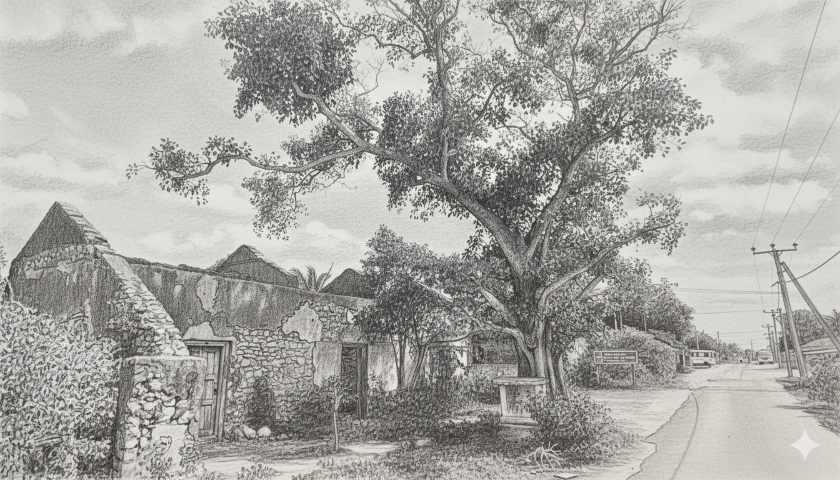
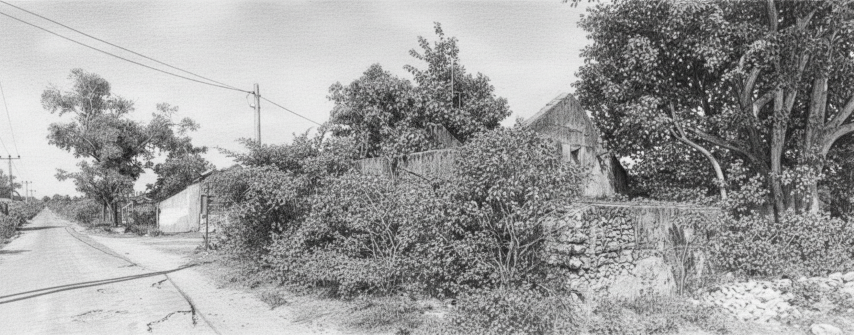
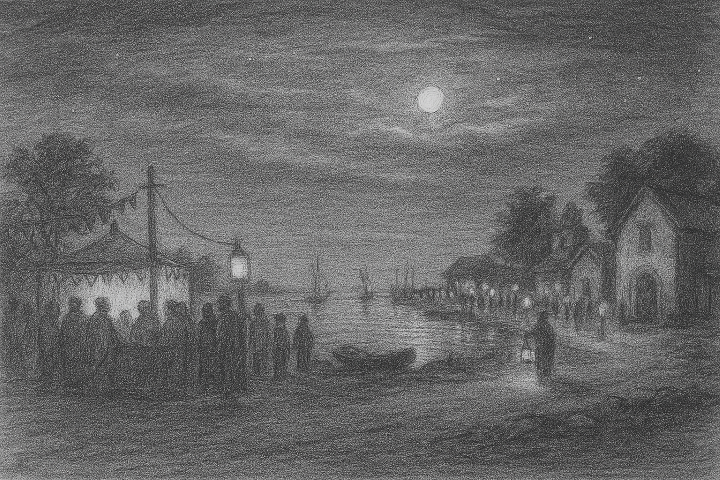
Nainativu Temple Pilgrimage & Karainagar Jetty Festive Scene
Karainagar Jetty: Gateway to Nainativu
The Karainagar Jetty, especially near Raasaavin Thoaddam, has historically served as a key embarkation point for pilgrims traveling to Nainativu Nagapooshani Amman Temple. During Aadi festival (July–August) and Chithirai Thiruvizha (April–May), the jetty becomes a hub of spiritual movement, with Hundreds of devotees arriving from Jaffna, Kayts, and nearby villages. Boats and ferries lined up to shuttle pilgrims across the lagoon to Nainativu. Temporary shelters, madams, and resting sheds set up for overnight stays.
Roadside Shops and Cultural Buzz
The roads leading to the jetty, especially from Thoppukkadu, Kalapoomy, and Karainagar South transform into a festival market , Stalls selling garlands, camphor, coconuts, and ritual items. Vendors offering snacks, sweet pongal, ice drinks, and toys for children. Musicians and temple drummers performing along the route, adding to the festive energy. Local families often host pilgrims, offering water, shade, and even meals a tradition of Tamil hospitality known as virunthombal.
Where Pilgrims Stayed
Many pilgrims stayed in Madams (rest houses) near the jetty roads. Private homes, especially those of relatives or community members. Some elders recall temporary tents and open-air sleeping arrangements, with bathing at wells like Poothan Kinaru before boarding boats.
The Journey to Nainativu
Boats departed in waves, often with chanting devotees, drummers, and flag bearers. The crossing was seen as a spiritual passage, with many offering prayers mid-journey. Upon return, pilgrims often stopped at Karainagar temples to offer thanks.
Cultural Memory
This vibrant scene of faith, commerce, and community is etched into the collective memory of Karainagar. It reflects, The interweaving of sacred geography (Nainativu) with local hospitality (Thoppukkadu).
The seasonal transformation of Karainagar into a pilgrimage corridor. The living heritage of Tamil Saiva traditions, sustained by generations.
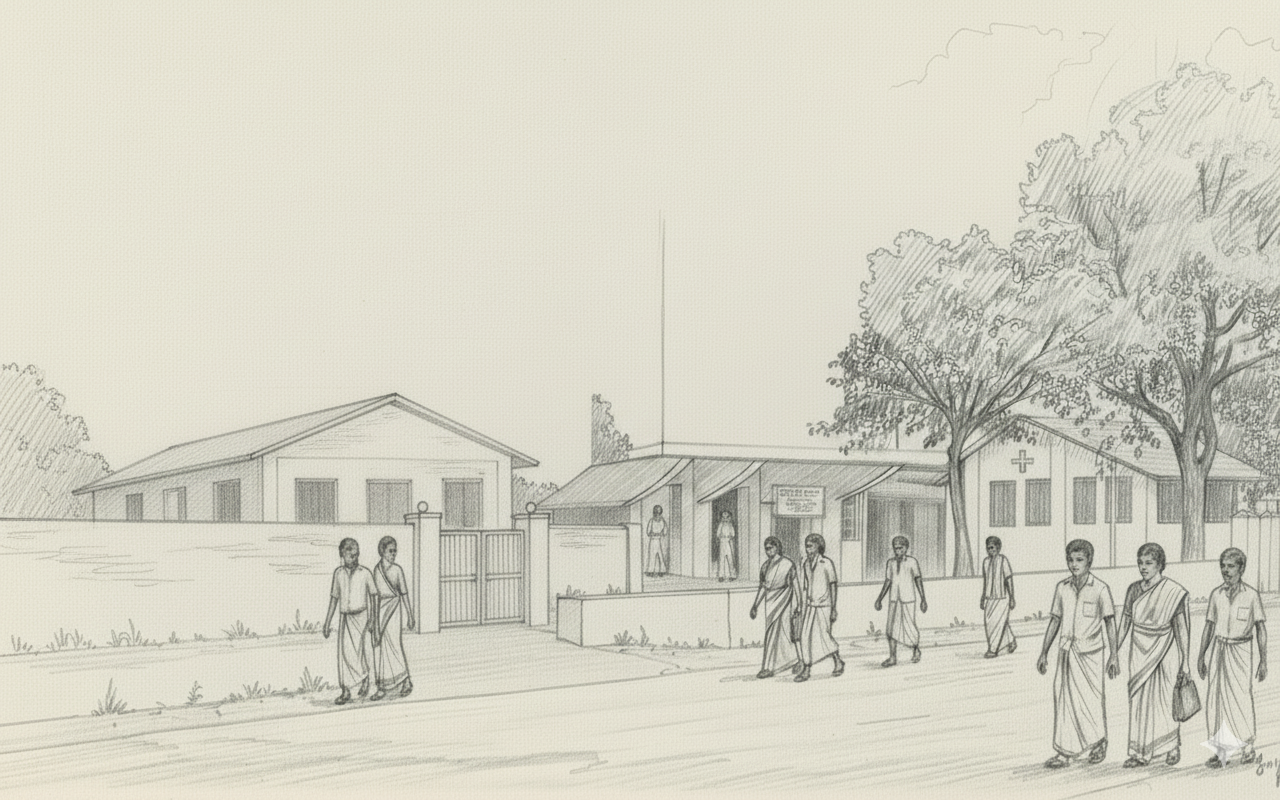
Jetty Hospital – Redd Barna
A small but vital clinic offering maternal care and basic inpatient services. It was tragically destroyed during the civil war.
Education and Early Childhood: A Nursery Within a Hospital
In the early 1980s, Thoppukkadu was home to a nursery school located inside the Jetty Hospital, funded by the Norwegian NGO FORUT. Children entered through the hospital’s entrance and were welcomed by Lally Teacher, a beloved figure in early childhood education.
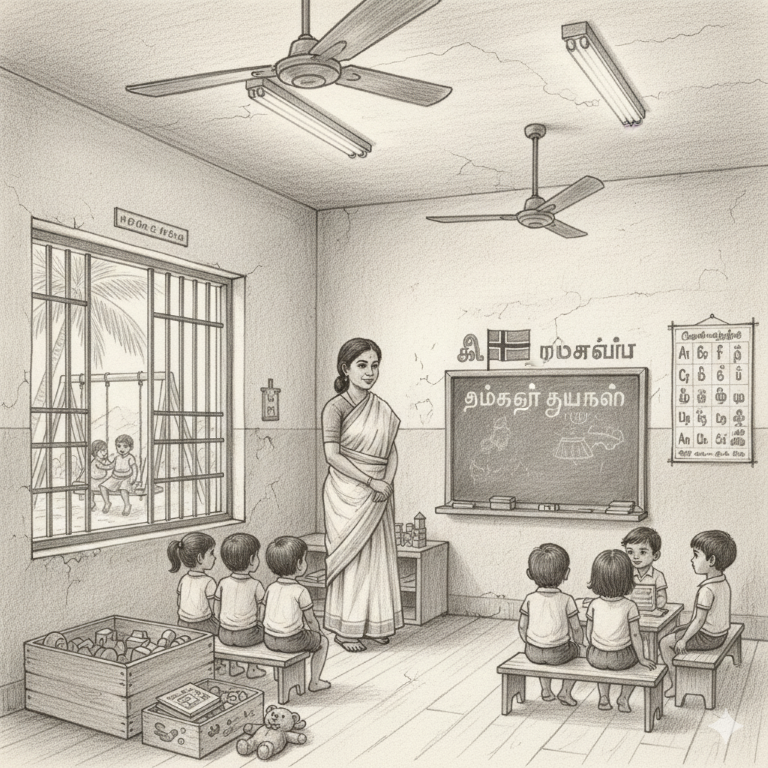
The nursery featured: Modern classrooms, Outdoor swings, Play blocks and learning corners. This space nurtured generations of children with care, creativity, and community warmth.
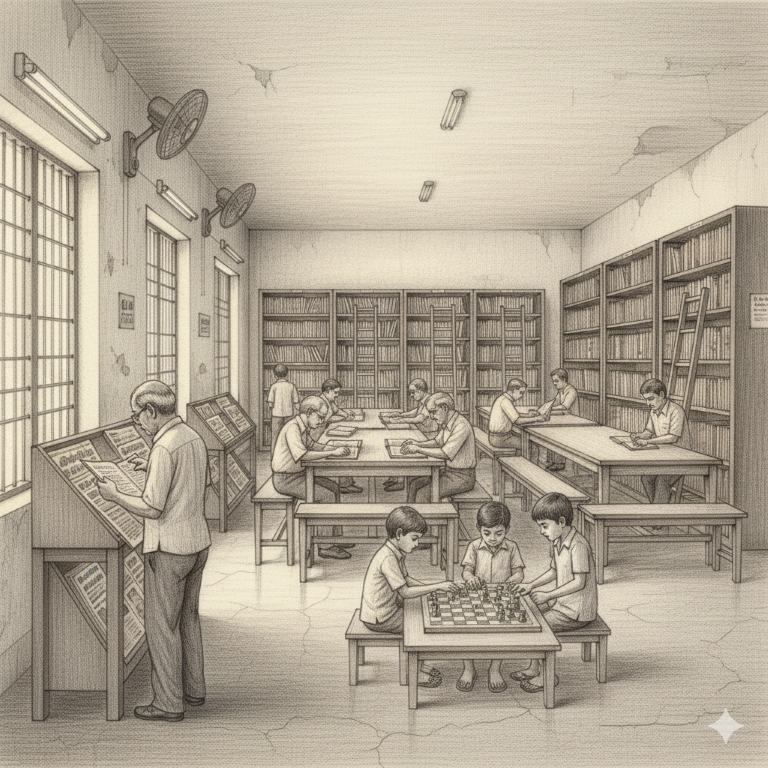
FORUT-Funded Library
Located near the Jetty Junction, this library offered books and community programs. It was a hub for literacy and outreach now lost to time.
Handloom Factory with Jacquard Looms
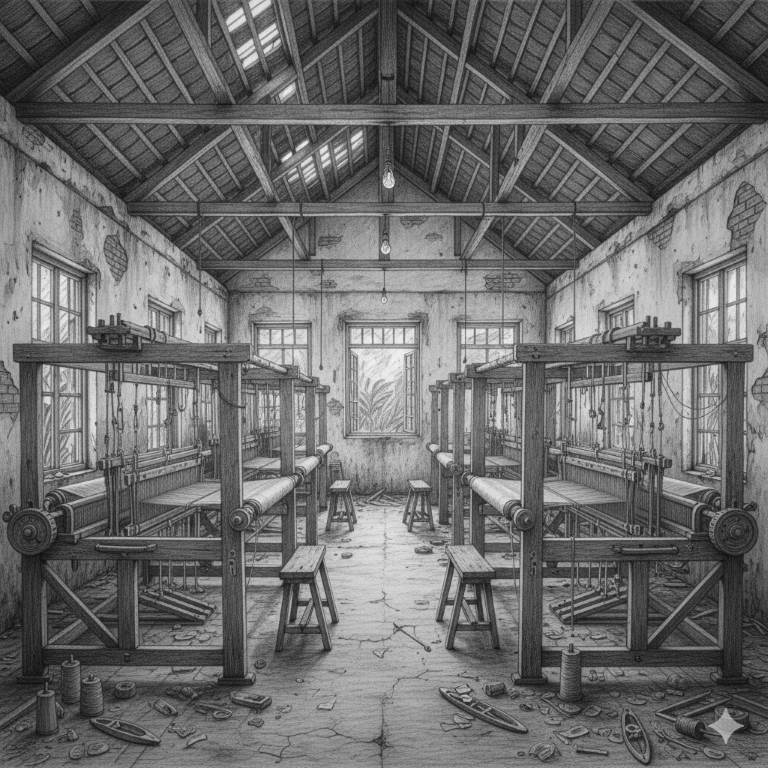
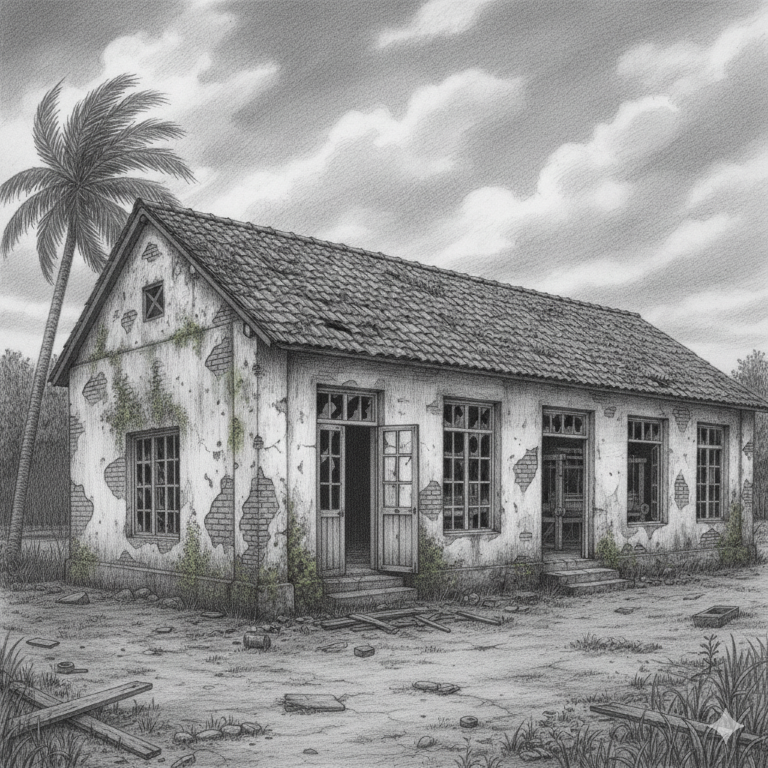
Near the Murugan Temple and Maraignanasampatha School stood a handloom factory housing Jacquard looms. Possibly supported by FORUT, it provided employment and vocational training, especially for women and youth.
CEY-NOR Boatyard – Karainagar (1968–1974)
- Established around 1968/69, CEY-NOR began boatbuilding in Karainagar, despite major challenges: lack of electricity, skilled labor, and infrastructure.
- The first vessel, a 38-ft GRP (Glass Reinforced Plastic) boat, was launched in 1970 to train local youth in modern fishing techniques.
- This was followed by 17½-ft and 25-ft GRP boats, expanding the fleet.
- After the 1973 oil crisis raised GRP costs, CEY-NOR shifted to ferrocement hulls.
- The first ferrocement boat, 28 ft, was launched in 1974, followed by larger models: 32 ft, 42 ft, and 46 ft.
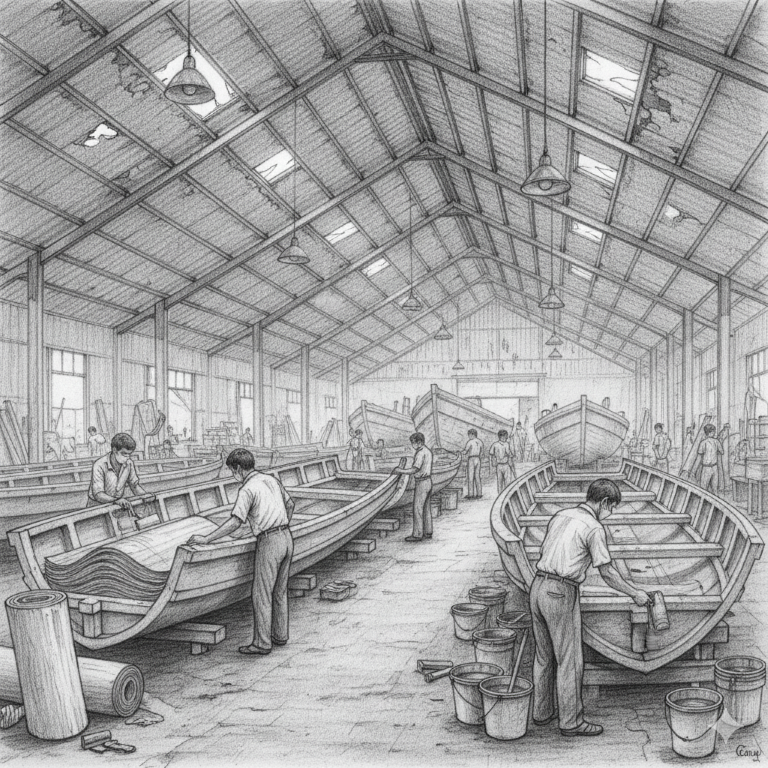
This pioneering effort helped modernize coastal fishing in Northern Sri Lanka and empowered local youth with technical skills.
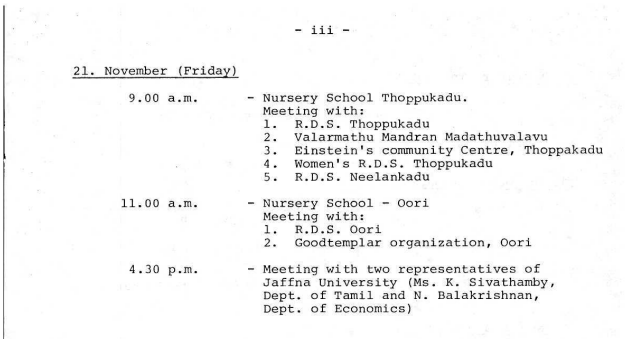
A Presidential Visit: Thoppukkadu Housing Scheme (1983)
In 1983, President Ranasinghe Premadasa inaugurated a housing scheme in Thoppukkadu under his “Million Houses Programme.” The scheme provided tiled homes for low income families and displaced residents, symbolizing a rare moment of state-led development in a Tamil coastal zone.
It is still remembered someone had mentioned that the President would arrive late; the entire village had been beautifully decorated. Among those decorations, the sight of hanging Pandanas fruit clusters remains etched in the minds of the villagers.
Thoppukkadu Co-operative Shop – Thoppukkadu Branch
First Permanent Cooperative Shop Building in Karainagar
Thoppukkadu Branch of the Karainagar Co-operative Society, located in Thoppukkadu, was reportedly the first to operate from its own dedicated building.
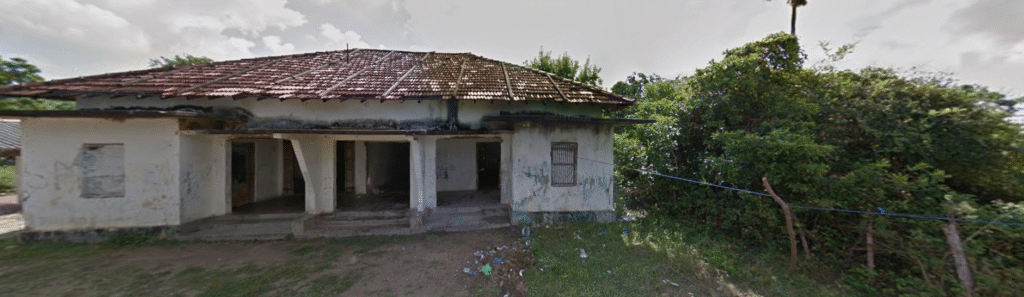
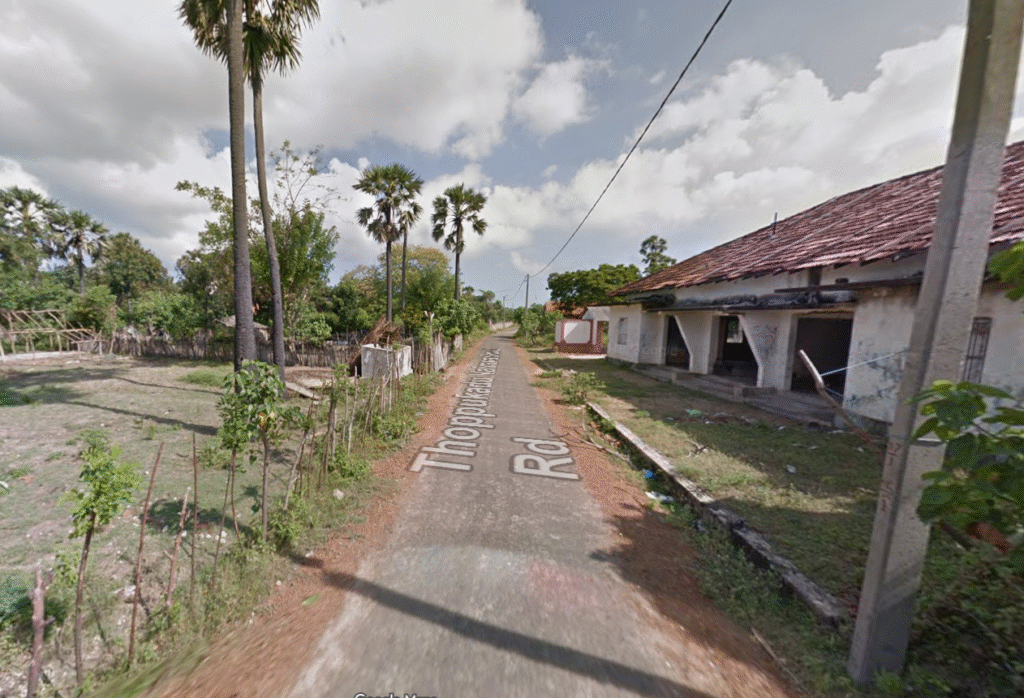

This marked a shared spaces to a purpose-built structure, symbolizing economic stability and community ownership. The building was situated between the Jetty Junction and the Murugan Temple and school, making it central to daily life.
Kerosene Delivery by Bull Cart
One of the most iconic memories is the kerosene delivery system:
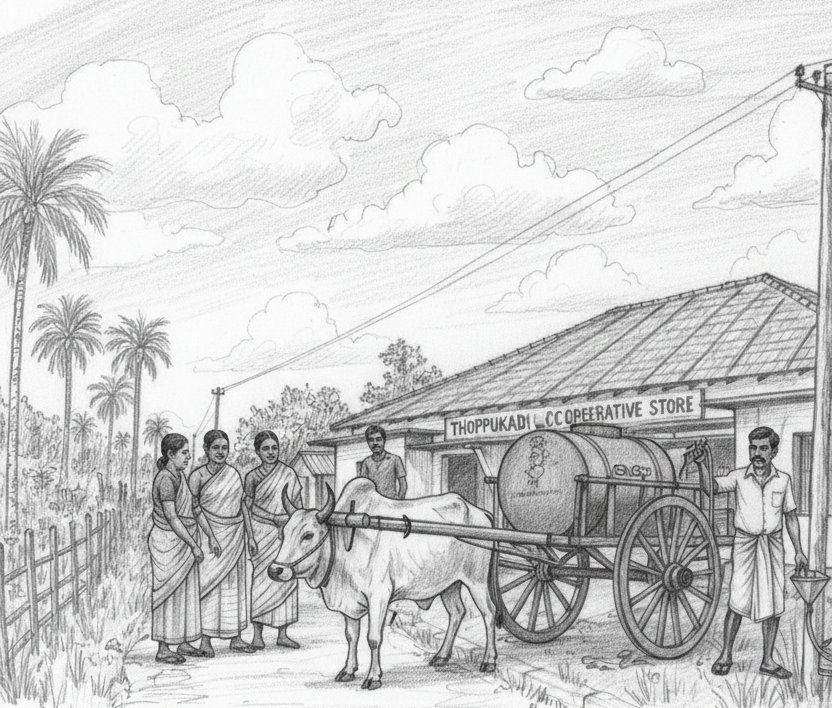
A wooden bull cart with a metal barrel mounted at the back. The cart would arrive weekly, distributing kerosene for lamps, stoves, and lanterns. Villagers brought tin cans and bottles, lining up for their rationed share.
Legacy and Operations
The shop offered: Rice, dhal, salt, oil , household essentials, Seasonal goods during temple festivals. It operated under the Karainagar Co-operative Union, which had multiple branches, but Thoppukkadu Branch was considered the flagship due to its location and infrastructure. Staff were often local residents, trained in weighing, rationing, and ledger keeping.
Cultural Memory
Elders still recall: The smell of kerosene and coir sacks. The sound of the bull cart’s wooden wheels
The chalkboard price list updated each morning
The shop was more than a store it was a symbol of self-reliance, especially during times of conflict and scarcity.
Arulmigu Valai Saraswathi Kovil
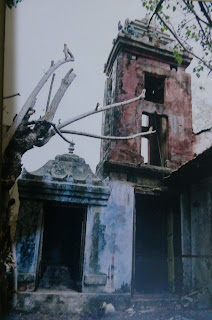
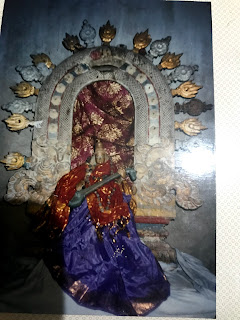
In the heart of Thoppukkadu, a revered Sidhar Samiyar(Thurai Aiya/Kanthasamy) lovingly tended the Valai Saraswathi Kovil, located near the Murugan Kovil and the village school. Rooted in Mani, Manthiram , Maruthuvam and spiritual healing, he offered villagers comfort through mantra therapy, herbal rituals, and astrological guidance. People sought him not only for remedies, but also for spiritual cleansing and support during life’s key transitions.
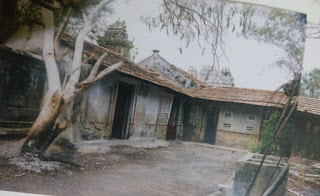
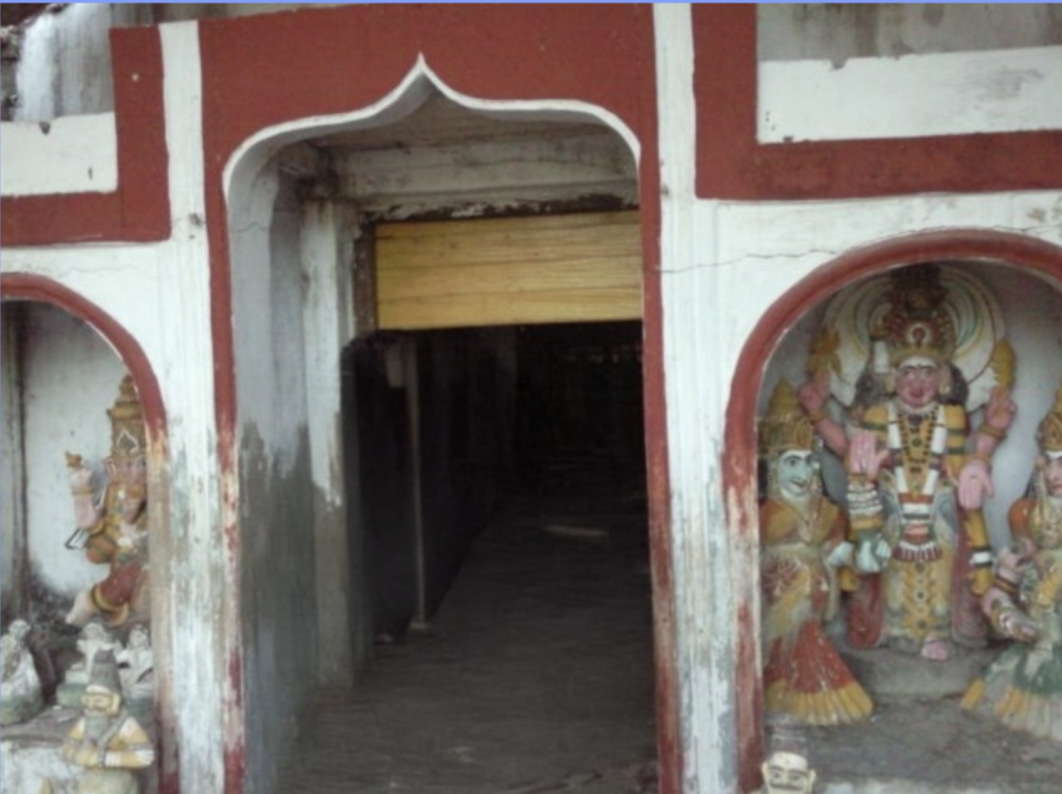
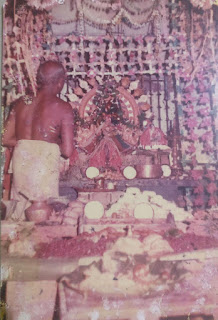
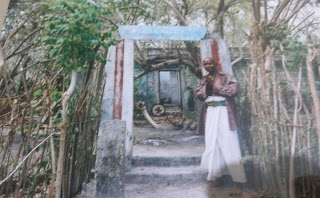
SaraSmani Vaithiya Niliyam
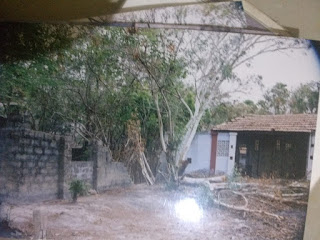
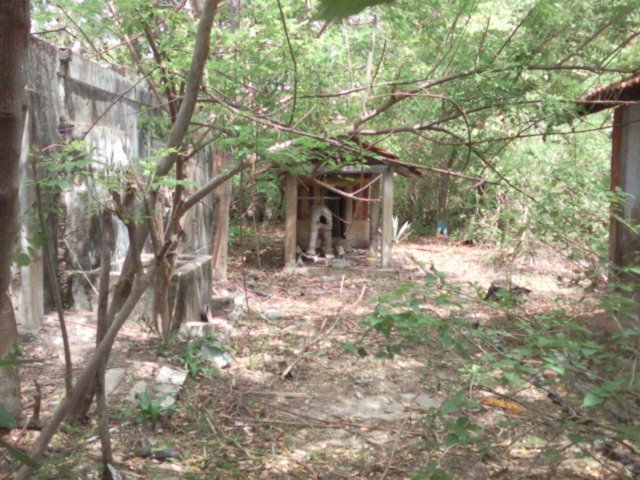
The Sarasmani Vaithiya Nilayam, too, suffered damage during the war, leaving behind only memories of its healing legacy.
Thoppukkadu’s Theatrical Legacy – Velmurugan Nadaga Sabha
Thoppukkadu is renowned for its vibrant tradition of drama direction and community-led performances.
Over the years, several drama troupes have emerged, but the most celebrated legacy begins with the Velmurugan Nadaga Sabha, which famously staged the play Paktha Nanthalala.
Remarkably, the production featured 52 actors all from the same village a testament to the collective artistic spirit of Thoppukkadu.
Even today, villagers vividly recall the storyline and the expressive performances of those actors, whose portrayals left a lasting impression in the cultural memory of the community.
Legacy of Compassion: Thoppukkadu’s Volunteer Spirit and Charitable Leadership
The tradition of volunteer service in Thoppukkadu dates back generations. A defining moment came in the aftermath of the devastating 1964 hurricane, when villagers came together as a united force to provide relief and support to neighboring communities. Teams from Thoppukkadu extended their help to affected villages including Mayility, Mathagal, Valvettithurai, Kurunagar, and Kolumputhurai offering food, shelter, and emotional support during a time of great need.
This spirit of service continued through the charitable initiatives led by Antony Rajendran, whose projects brought tangible aid and hope to many. His efforts reflected the enduring values of empathy, solidarity, and grassroots action that define Thoppukkadu’s legacy.
The Night the Sea Took Fourteen: A Village Remembers
It was a night etched in sorrow when a boat carrying villagers from Thoppukkadu met with tragedy, claiming the lives of thirteen beloved souls. Most were relatives, and among them were children from a single family, eager to watch second time, the newly released film Paalum Palamum at the cinema in Kayts.
The accident occurred at midnight. By dawn, the entire village was draped in grief. Homes fell silent, and the air was filled with wails and lamentations. People wept openly, some cursing the cruel fate that had taken their loved ones. The image of that night the cries, the chaos, the unbearable loss remains vivid in the collective memory of Thoppukkadu.
The Sri Lankan Navy, stationed nearby, responded swiftly. They played a crucial role in recovering the bodies from the depths of the sea. Their tireless volunteer efforts earned the deep gratitude of the community.
As children, we were not allowed to attend the funerals. But we watched the recovery unfold through the gaps in our home’s fence. The stories, the sorrow, and the silence that followed were passed down to us by elders stories we carry to this day, as part of the village’s living memory.
A Verse That Echoes Across the Sea
The Eelathu Chidambara Puranam, published by the Karainagar Chidambaram Devasthanam, immortalizes Thoppukkadu in verse:
Verses from The Eelathu Chidambara Puranam on Thoppukkadu
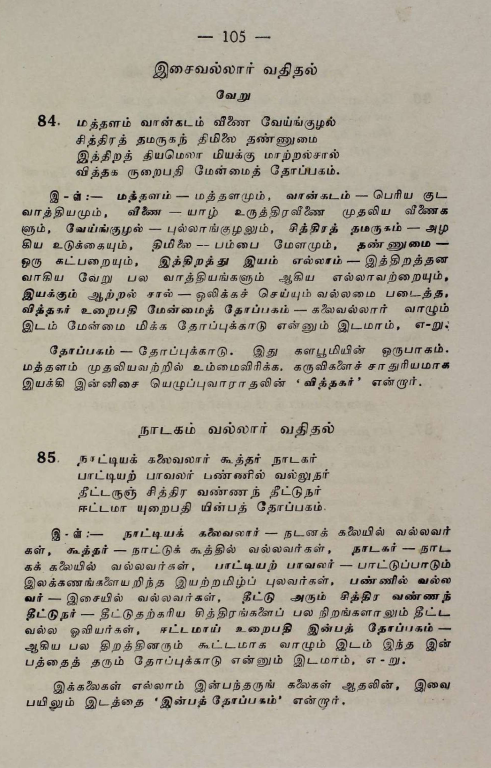
The provided text from Page 156 of The Eelathu Chidambara Puranam (ஈழத்துச் சிதம்பர புராணம்) contains two verses and their explanations, which vividly describe the maritime and commercial importance of Thoppukkadu (தோப்புக்காடு, also called தோப்பகம்) in Karainagar1.
Section: வாணிகம் செய்பவர் வதிதல் (The Dwelling of the Merchants) 2
Verse 86
The verse states that Thoppukkadu (ஏற்றத் தோப்பகம்), a place of great renown, is the dwelling (வாழ்பதி) where many merchants live with honor4. These merchants are those who travel across the deep seas (ஆழ்கடல் தோறும் சென்று) in boats (தோணிகள்) to engage in various trades (பல்வாணிகம் செய்பவர்)5. They are also the people who build ships (வங்கஞ் செய்பவர் – boat builders)6. Furthermore, they are the kind of people who preserve, multiply, and increase (பேணிப் பெருக்கும் தன்மையர்) many kinds of good materials and goods (நற் பொருள்எலாம்)7.
Note: These are the people of the coastal region (நெய்தல் நிலமக்கள்) who live along the shore of Thoppukkadu8. The term “ஏற்றம்” means renown or fame9.
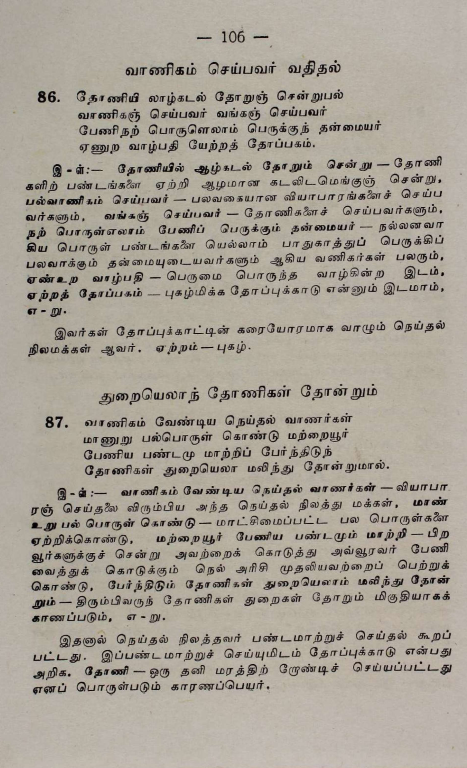
Section: துறையெலாந் தோணிகள் தோன்றும் (Boats Appear in All Harbours) 10
Verse 87

The verse says that the fisher-folk or coastal people (நெய்தல் வாணர்கள்) who desire trade (வாணிகம் வேண்டிய) load many magnificent goods (மாண் உறு பல் பொருள் கொண்டு) onto their boats12. They then travel to other villages (மற்றையூர்) to exchange these goods (மாற்றி) for highly valued items like rice and paddy (நெல் அரிசி முதலியவற்றைப் பெற்றுக் கொண்டு)13. These returning boats (பேர்ந்திடும் தோணிகள்) are seen in great abundance (மலிந்து தோன்றும்) in every harbor (துறையெலாம்)14.
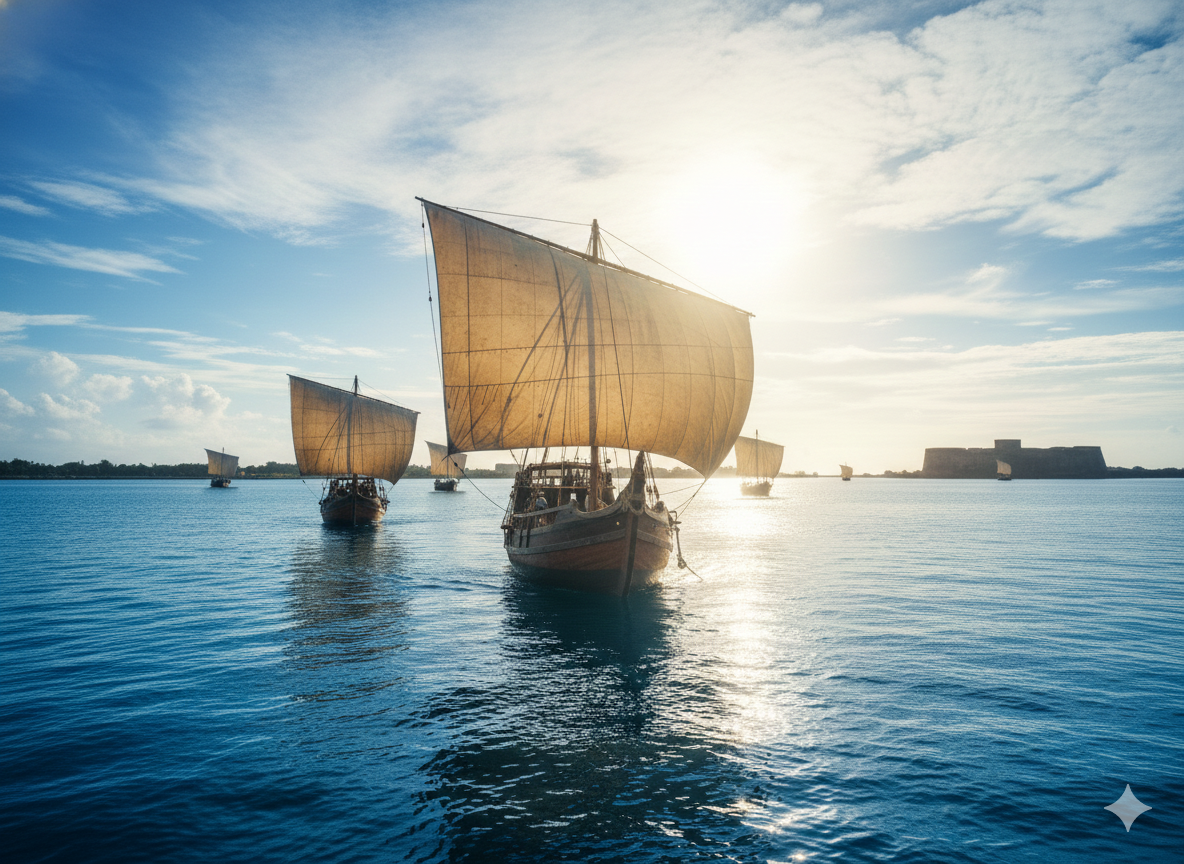
Note: This verse describes the barter system (பண்டமாற்றுச் செய்தல்) practiced by the coastal people15. It confirms that this place of barter is Thoppukkadu16. The term “தோணி” (Thoni) is explained as a word of origin (காரணப்பெயர்) meaning a craft hollowed out from a single tree trunk17.
This lines affirms Thoppukkadu’s role as a spiritual maritime gateway, where trade and devotion sailed side by side.
Note : The Eelathu Chidambara Puranam web download Link
Roots of Traditional Tamil Medicine (Vaithiar Heritage)
Sidha Vaithiyar : Samiyar (Thurai Aiya/Kanthasamy) and the Valai Saraswathi Temple
In the heart of Thoppukkadu lived a respected Samiyar(Thurai Aiya/Kanthasamy), a traditional Siddha Vaithiyar known for his compassionate healing practices. Drawing from Mani Manthiram and Maruthuvam, he treated villagers using herbal medicine, mantra-based therapy, and astrological guidance. People from the community regularly sought his help for physical ailments, spiritual cleansing, and life decisions, trusting in his deep knowledge of Siddha traditions and cosmic rhythms. His presence brought comfort and clarity, and his healing legacy remains woven into the memory of Thoppukkadu.
Sidha Vaithiyar : Sockanatha Pariyari
Sockanatha Pariyari was skilled in using locally grown herbs. He gathered different seasonal plants and served the community by offering healing through traditional herbal medicine.
Kalanithy Vaithiya Nilayam – The Siddha and Ayurvedic physician (Thiyanes /Thirugnanathiyaneshwaran)
Kalanithy Vaithiya Nilayam was a devoted Siddha and Ayurvedic medical practice, diligently operated by Thiyanes, also known as Thirugnanathiyaneshwaran. He graduated from the Sri Lanka Ayurvedic College. As a Registered Individual Medical Practitioner (RIMP) under the Ayurvedic Board, he was well known for his signature white attire. He served the local community with Siddha and Ayurvedic treatments, preparing herbal medicines, tablets, and oils for infants. His remedies included herbal hair oil, gooseberry (nellikai) kulambu, and pumpkin (poosanikai) kulambu, known for enhancing muscle strength and overall wellness.
Wells, Water, and Community Life in Thoppukkadu
In Thoppukkadu, deep wells have long been central to daily life. Poothan Kinaru was where village girls bathed, while Theruvukkinaru served as the main bathing spot for men. During the rainy season, Nalla Thanni Kinaru filled with clean, fresh water, becoming a shared well where both men and women bathed together.
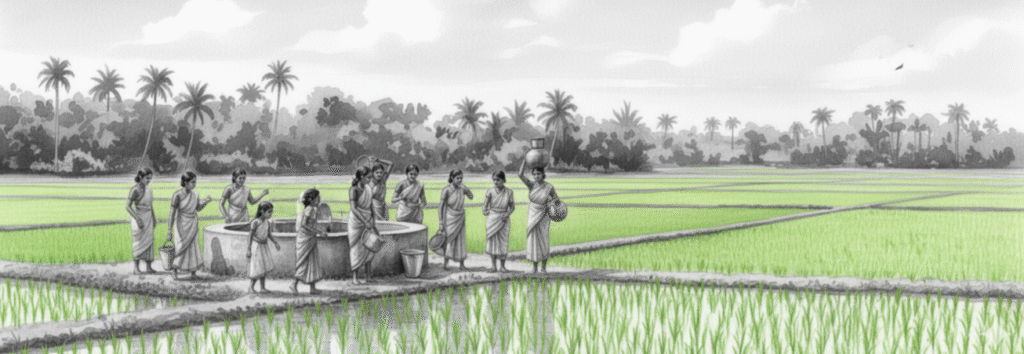
For drinking water, the community relied on Thampan Kinaru, with women traditionally carrying pots on their heads and hips as they fetched water for their families. In the late 1980s, the RDS Thoppukkadu introduced a pipe distribution system from Thampan Kinaru. Some homes received scheduled water supply through private connections, while others collected water from shared tanks placed at various centralized locations across the village.
Why Thoppukkadu Matters
Thoppukkadu is not just a dot on the map, it is a repository of memory, a symbol of Tamil maritime heritage, and a testament to community resilience. Its temples, schools, looms, and jetties may have faded, but their stories endure.
Thoppukkadu’s legacy lives on through oral traditions, visual storytelling, and community archives that honor its past.
References
| எண் | தகவல் |
|---|---|
| 1 | Selvan.Thiyanesh (செல்வன். தியானேஷ்) |
| 2 | Siva.Thiyanesh (சிவா. தியானேஷ்) |
| 3 | Vadivelmurugan Tharmathasan (வடிவேல்முருகன். தர்மதாசன்) |